Gauguin
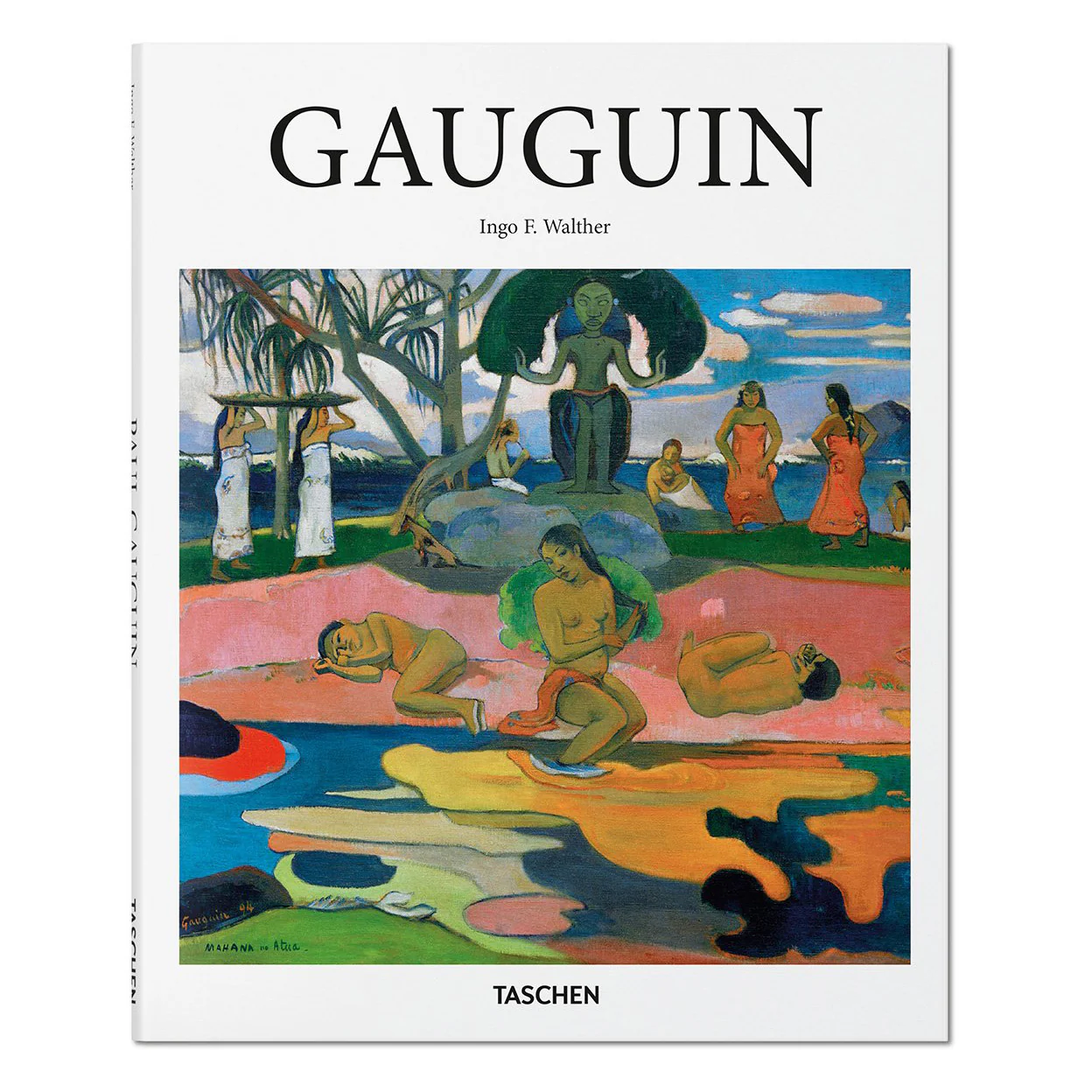
Paul Gauguin (1848–1903) had a series of unsuccessful ventures in finance, the French Navy, and as a salesman. He started painting in 1873 and exhibited alongside Pissarro, Degas, and Monet three years later. Known for his tempestuous nature, Gauguin referred to himself as a "savage". His tumultuous friendship with Vincent van Gogh reached a breaking point in 1888, when van Gogh confronted him with a razor blade and later mutilated his own ear. Following the completion of his midcareer masterpiece Vision After the Sermon (1888), Gauguin sought escape in Tahiti to embrace the authenticity and freedom he craved.
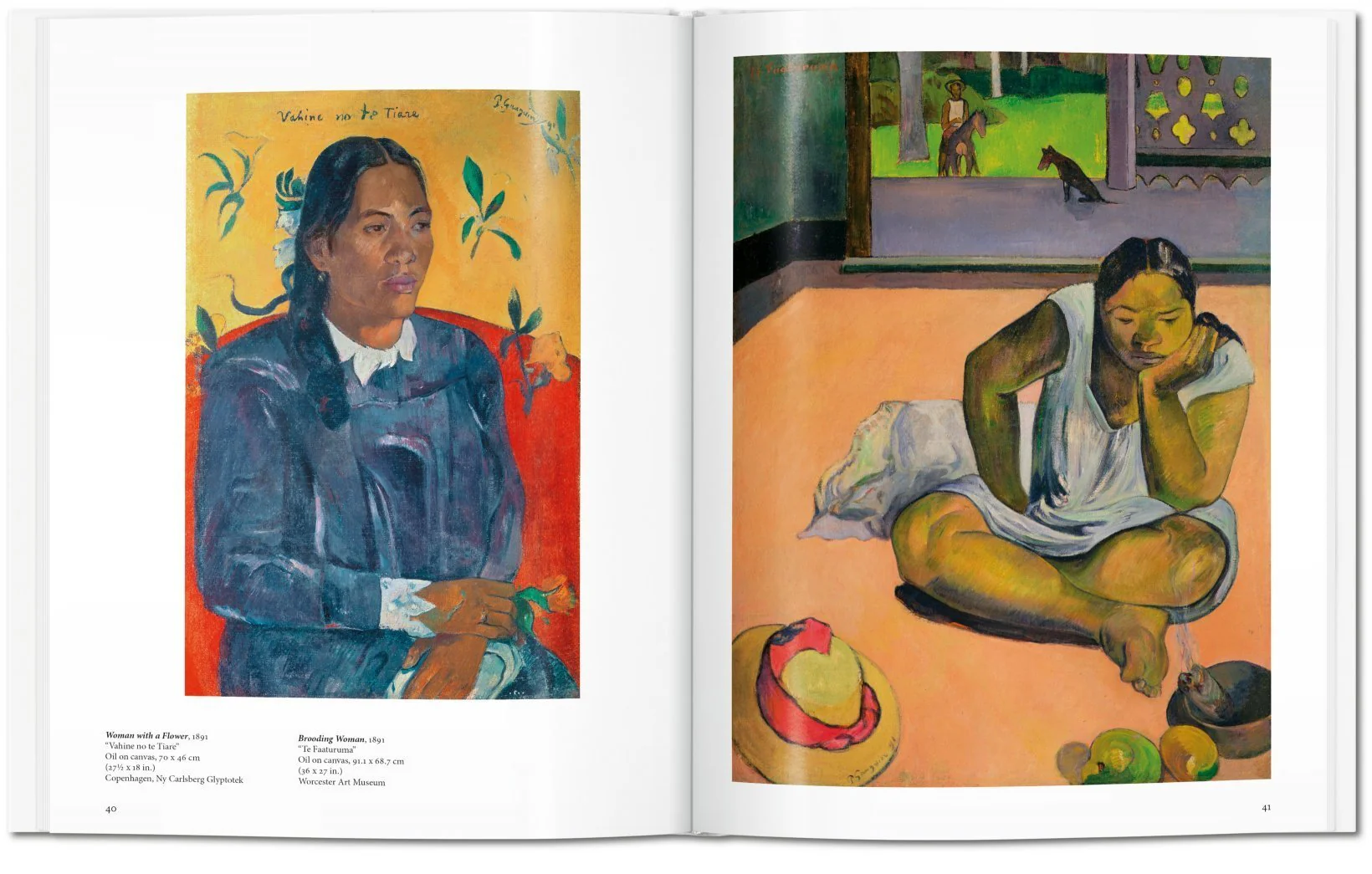
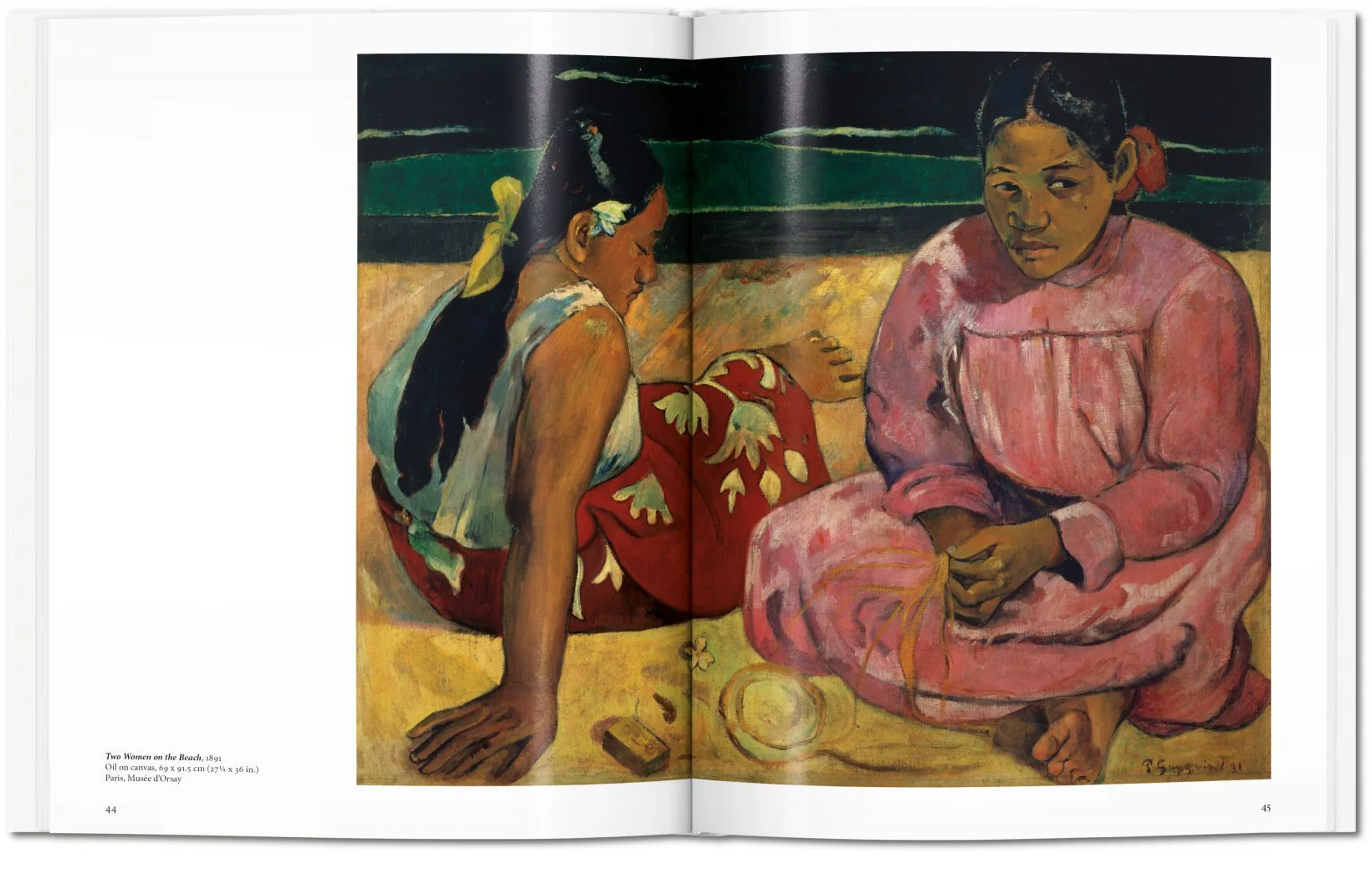
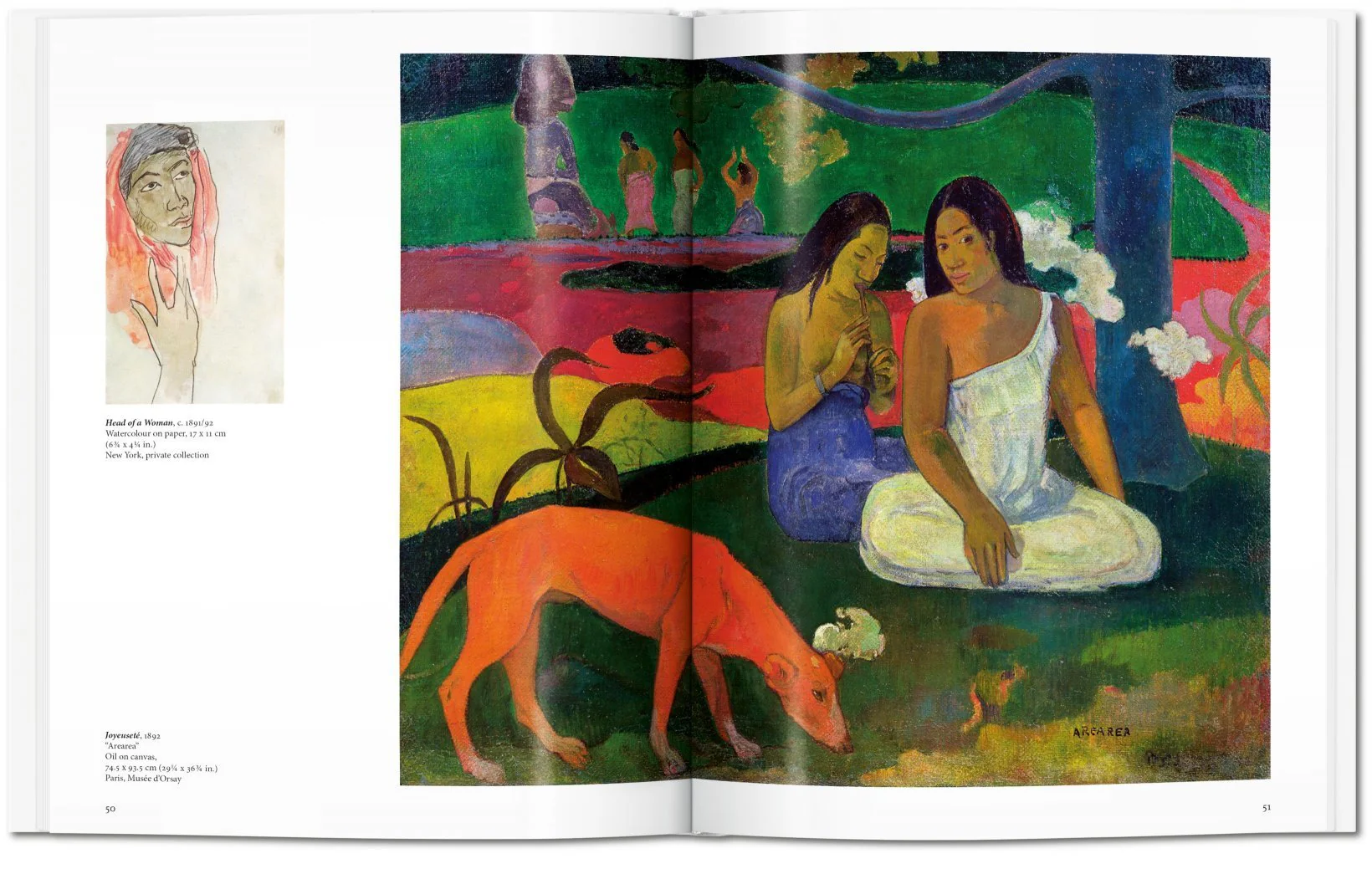
In Tahiti, Gauguin found inspiration in the island's nature, people, and figurative images, resulting in a prolific output of vibrant paintings and prints. His distinctive Primitivist style, seen in works like Woman with a Flower (Vahine no te Tiare, 1891) and Sacred Spring: Sweet Dreams (Nave Nave Moe, 1894), exuded radiant color and sensual depictions of Tahitian women. Gauguin passed away alone on the Marquesas Islands, with his personal belongings scattered in a local auction. It was only when a discerning art dealer curated and showcased Gauguin's work in Paris that his profound influence emerged, captivating avant-garde artists like Picasso and Matisse.
This book provides an essential introduction to Gauguin's colorful life, from his participation in the Impressionist salons of 1870s Paris to his final days in the Pacific, characterized by productivity and unwavering passion.
Original: $20.00
-70%$20.00
$6.00More Images

Gauguin
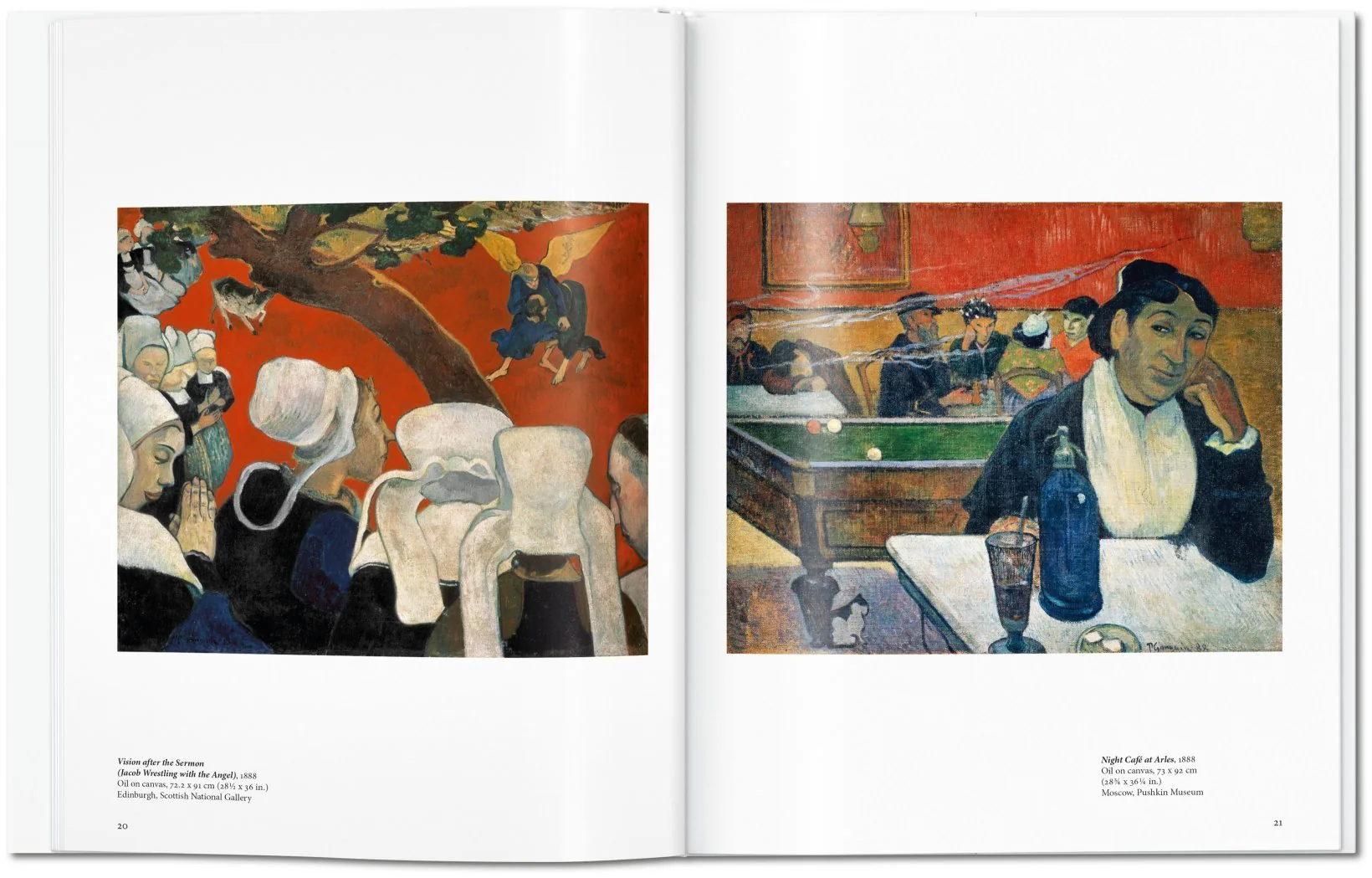
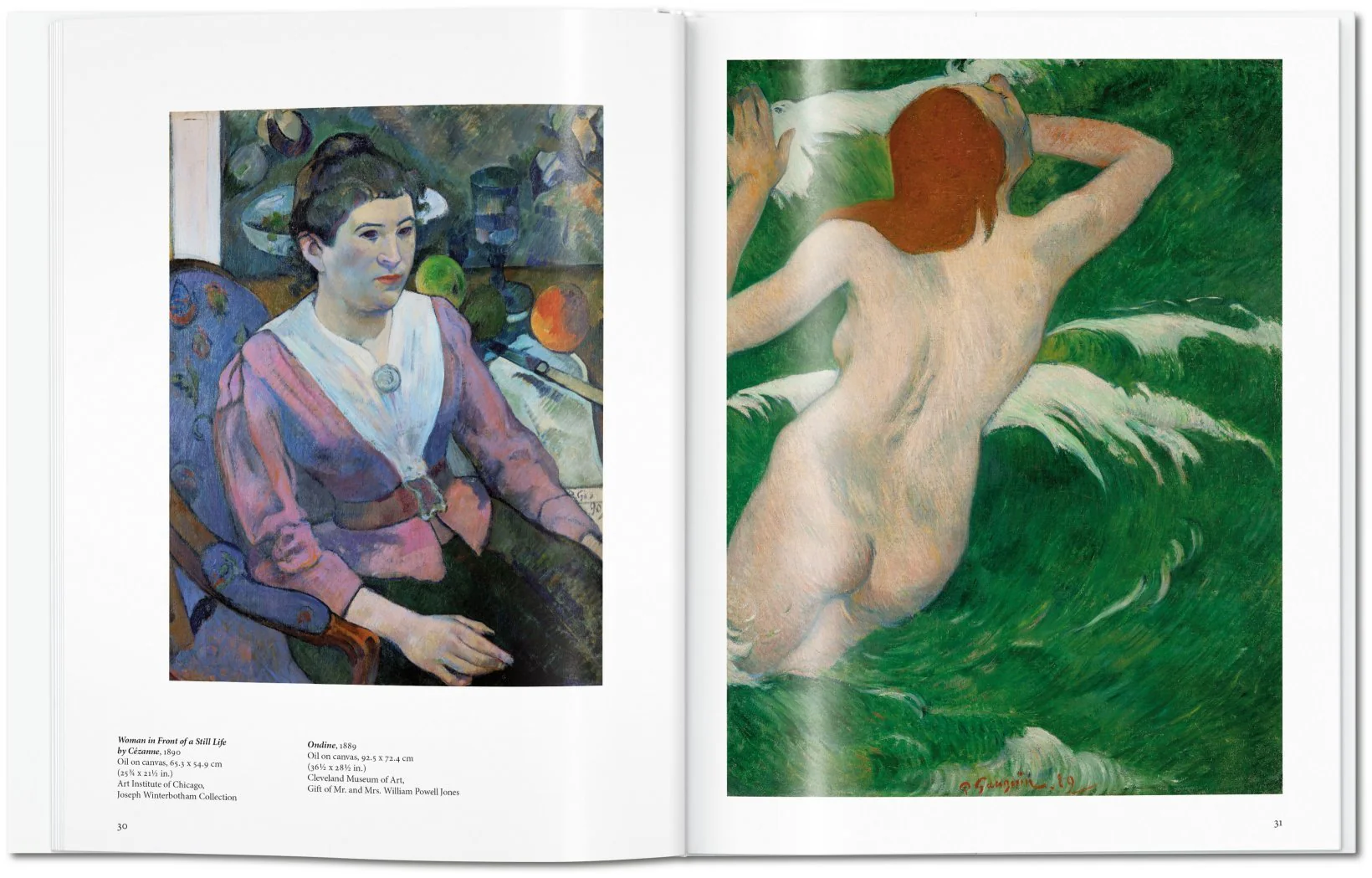
Paul Gauguin (1848–1903) had a series of unsuccessful ventures in finance, the French Navy, and as a salesman. He started painting in 1873 and exhibited alongside Pissarro, Degas, and Monet three years later. Known for his tempestuous nature, Gauguin referred to himself as a "savage". His tumultuous friendship with Vincent van Gogh reached a breaking point in 1888, when van Gogh confronted him with a razor blade and later mutilated his own ear. Following the completion of his midcareer masterpiece Vision After the Sermon (1888), Gauguin sought escape in Tahiti to embrace the authenticity and freedom he craved.
In Tahiti, Gauguin found inspiration in the island's nature, people, and figurative images, resulting in a prolific output of vibrant paintings and prints. His distinctive Primitivist style, seen in works like Woman with a Flower (Vahine no te Tiare, 1891) and Sacred Spring: Sweet Dreams (Nave Nave Moe, 1894), exuded radiant color and sensual depictions of Tahitian women. Gauguin passed away alone on the Marquesas Islands, with his personal belongings scattered in a local auction. It was only when a discerning art dealer curated and showcased Gauguin's work in Paris that his profound influence emerged, captivating avant-garde artists like Picasso and Matisse.
This book provides an essential introduction to Gauguin's colorful life, from his participation in the Impressionist salons of 1870s Paris to his final days in the Pacific, characterized by productivity and unwavering passion.
Product Information
Product Information
Shipping & Returns
Shipping & Returns
Description
Paul Gauguin (1848–1903) had a series of unsuccessful ventures in finance, the French Navy, and as a salesman. He started painting in 1873 and exhibited alongside Pissarro, Degas, and Monet three years later. Known for his tempestuous nature, Gauguin referred to himself as a "savage". His tumultuous friendship with Vincent van Gogh reached a breaking point in 1888, when van Gogh confronted him with a razor blade and later mutilated his own ear. Following the completion of his midcareer masterpiece Vision After the Sermon (1888), Gauguin sought escape in Tahiti to embrace the authenticity and freedom he craved.
In Tahiti, Gauguin found inspiration in the island's nature, people, and figurative images, resulting in a prolific output of vibrant paintings and prints. His distinctive Primitivist style, seen in works like Woman with a Flower (Vahine no te Tiare, 1891) and Sacred Spring: Sweet Dreams (Nave Nave Moe, 1894), exuded radiant color and sensual depictions of Tahitian women. Gauguin passed away alone on the Marquesas Islands, with his personal belongings scattered in a local auction. It was only when a discerning art dealer curated and showcased Gauguin's work in Paris that his profound influence emerged, captivating avant-garde artists like Picasso and Matisse.
This book provides an essential introduction to Gauguin's colorful life, from his participation in the Impressionist salons of 1870s Paris to his final days in the Pacific, characterized by productivity and unwavering passion.